Your Energy Bill Is One of the Largest Costs You Are Not Actually Managing
Most businesses watch their hardware spend. They track their software licenses. They negotiate telecom contracts. And then they get to energy, see a big number, and pay it anyway because it feels like something that just happens every month rather than something you can actually do anything about.
That is exactly the kind of thinking that keeps energy costs higher than they need to be.
Energy procurement is the practice of strategically sourcing, negotiating, and managing the energy contracts your business runs on. Done well, it is not a one-time event where you pick a supplier and forget about it. It is an ongoing process that looks at your actual usage patterns, evaluates what the market is doing, and makes sure the contract structure you are locked into actually reflects how your business operates.
Why Most Businesses Overpay Without Realizing It

The problem is not that energy is expensive. It is that most businesses have no visibility into whether what they are paying is actually competitive.
Energy markets move. Pricing structures vary significantly between suppliers, and the difference between a contract that was signed at the right time with the right terms and one that was just automatically renewed is often thousands of dollars a year, sometimes more. Most companies renew without shopping around simply because it feels like a lot of work and nobody internally has the market knowledge to know when the timing is right or what good pricing actually looks like.
There is also the matter of what is buried inside the contract itself. Energy costs are not just the rate per kilowatt hour. They include demand charges, capacity fees, and various other cost components that are easy to overlook when you are focused on the headline number. A contract that looks competitive on rate can still cost more than it should because of how those other charges are structured and passed through to the customer.
This is where having someone in your corner who actually knows the market changes the outcome. Most businesses do not have that person on staff, and they end up relying on whoever is selling the contract to tell them if the deal is good. That is not the same thing as independent advice.
The Same Problem That Shows Up Everywhere Else in Technology Spend

If you have ever looked at a company's technology environment and found duplicate services, forgotten subscriptions, contracts that auto-renewed at rates nobody benchmarked, and spending spread across a dozen vendors with no one looking at the total picture, then you already understand what most energy situations look like.
It is the same problem. A cost category that grew without a strategy behind it, managed reactively instead of proactively, with no one sitting in the role of asking whether the current setup is actually the best the business can do.
At Legacy Tech, this is exactly the kind of problem we work on every day. We review hardware, telecom, energy, and software costs without any vendor bias, because our job is to find savings for you, not to place you with whoever pays the best referral fee. When we sit down with a client's energy spend, we are not trying to move them to a specific supplier. We are trying to make sure they are paying what the market actually supports, nothing more.
What a Smart Energy Procurement Process Looks Like
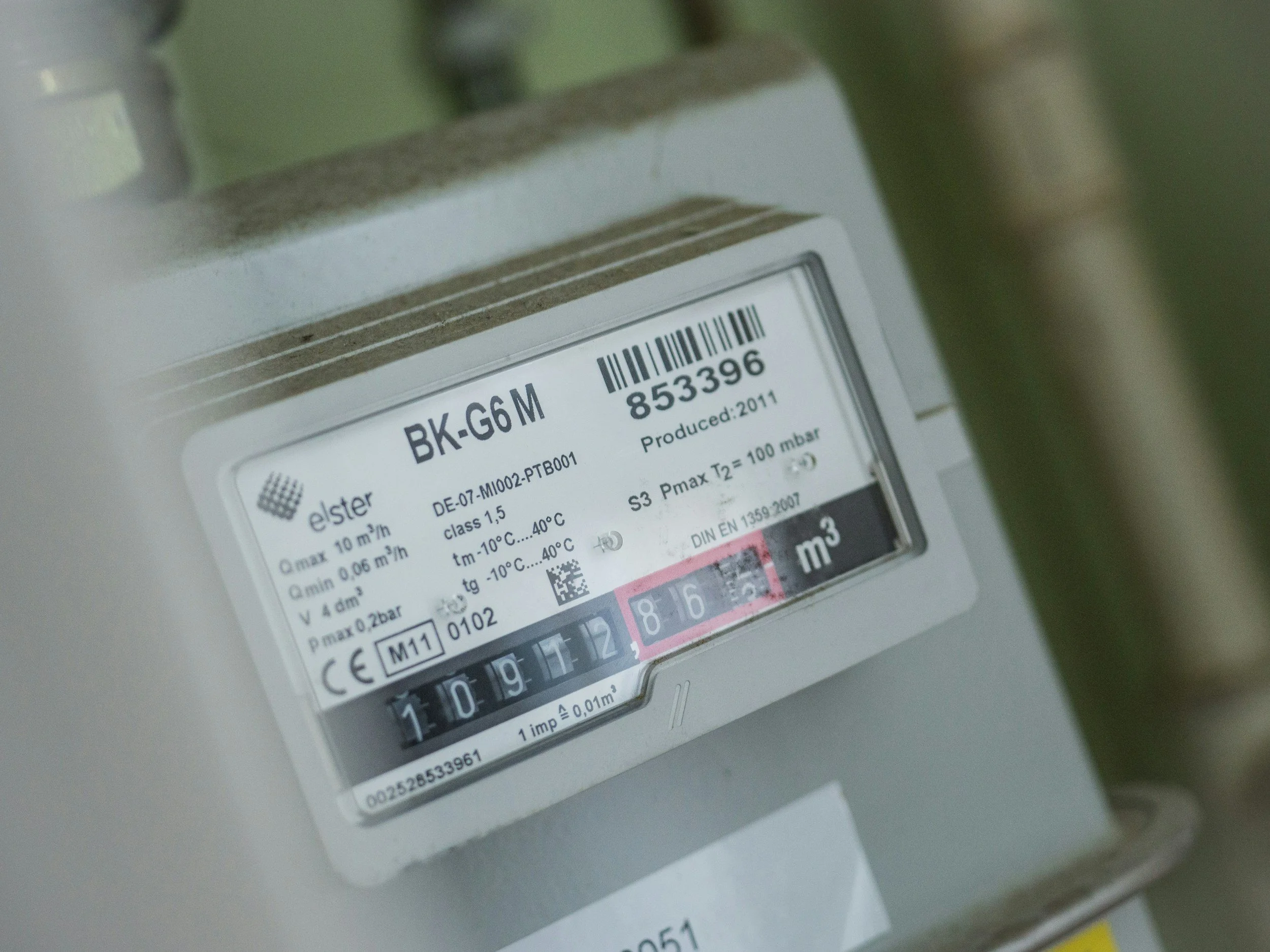
Getting energy procurement right starts with understanding your actual consumption. That means looking at your usage data in detail, not just the total on the bill, so you can understand when your peak demand periods are, where inefficiencies might be hiding, and what contract structure best fits how your business uses power throughout the day and year.
From there, the process involves going to the market with that information, gathering bids from multiple suppliers, and comparing them in a way that accounts for the full cost of each option, not just the rate. The timing of when you enter a contract matters too. Energy markets have seasonal patterns and cyclical pricing, and buying when you have runway and options is a very different situation from renewing at the last minute under pressure.
The contract structure itself is one of the most consequential decisions in the process. Fixed-rate contracts offer budget predictability at the cost of flexibility. Variable or indexed contracts move with the market, which works well in the right conditions and adds risk in others. Hybrid structures can split the difference, locking in part of your exposure while leaving room to benefit if prices fall. There is no universally right answer, but there is an answer that fits your business's risk tolerance and financial priorities, and finding it requires analysis rather than habit.
Businesses that work with Legacy Tech on energy procurement do not have to figure that out alone. We bring the market context, the contract analysis, and the benchmarking so the decision is based on data rather than guesswork. That is the difference between renewing because the deadline arrived and renewing because you are confident you got the best deal available.
Energy Is a Recurring Cost, Not a One-Time Decision
One of the most common mistakes businesses make with energy is treating the contract signing as the end of the process rather than the beginning of a management cycle.
Markets change. Your operations change. A contract that was structured well two years ago may not be the right fit today, especially if your footprint has grown, your usage patterns have shifted, or the market has moved in a direction that creates new opportunities. Staying on top of when contracts are coming up for renewal, what the market looks like at that point, and whether your current terms still make sense is the difference between managing energy as a cost and just paying whatever shows up.

For businesses with multiple locations, the stakes are even higher. Each site may have its own contract, its own renewal date, and its own pricing structure. Without someone pulling that together and looking at the full picture, you are leaving money on the table across every location. Legacy Tech works across multi-site environments regularly, and the savings that come from consolidating that view are almost always more significant than what any single location review would find on its own.
Sustainability Is Part of This Conversation Too
Renewable energy options have become significantly more competitive on price, and for many businesses the conversation about green energy is no longer just about environmental commitment. It is also about cost stability. Renewable contracts, including power purchase agreements that let you buy electricity directly from a generator at a fixed long-term rate, can provide the kind of price predictability that volatile fossil fuel markets make harder to achieve with traditional contracts.
Organizations that are working toward sustainability targets also benefit from having energy procurement aligned with those goals from the start rather than bolted on afterward. Procurement that includes renewable options and tracks emissions alongside cost gives leadership a clearer picture of both the financial and environmental dimensions of energy spend. This is an area where having an advisor who understands both the technology side and the cost side of the equation makes a real difference.
Treating Energy the Way It Deserves to Be Treated
Energy is one of the largest operational costs most businesses carry. It affects margins, it compounds over time, and it sits in a market that rewards the people who engage with it strategically and penalizes the people who just let contracts roll forward on autopilot.
The businesses that get the most out of energy procurement are the ones that treat it the same way they treat any other significant category of spend: with data, with a defined process, with someone accountable for the outcome, and with a clear view of what good looks like relative to the market.
At Legacy Tech, we have built our work around a simple idea: your bills are worth a second look. Hardware buyback, telecom optimization, software rationalization, and energy procurement all start from that same place. What makes energy procurement work for our clients is not just the idea but the people behind it. We are partnered with experts who live and breathe this market every day, which means when we walk into a client engagement around energy, we are bringing specialized knowledge and real market access, not just good intentions. Our job is to make that expertise as easy as possible for you to access and act on.
If your energy cost is something that just gets paid every month without much scrutiny, reach out. The answer is usually that there is more room to improve than the bill suggests, and you should not need to figure that out on your own.